
Introduction to Hot Rods in American Car Culture
The influence of hot rods on American car culture is both significant and enduring. Emerging in the 1940s, hot rods have evolved from a niche hobby into an emblem of automotive creativity and freedom. This movement has shaped the way Americans view cars, contributing significantly to the country’s cultural heritage and automotive innovation.
Origins and Evolution of Hot Rods
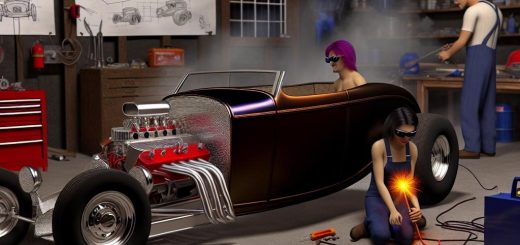
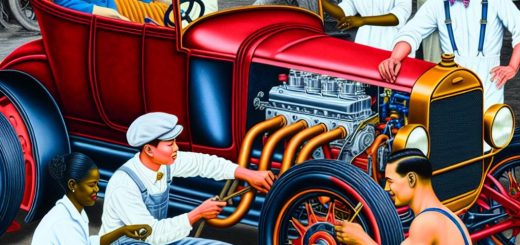
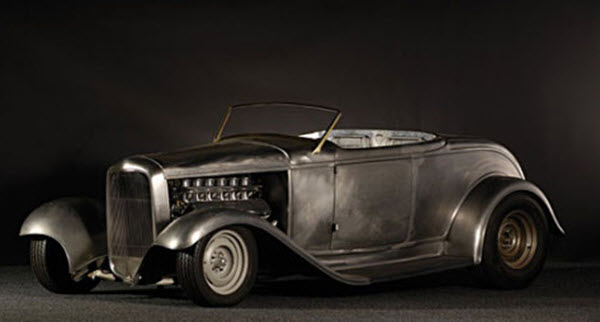
Hot rods initially appeared in California as customized vehicles capable of enhanced speed and performance. These cars were typically standard models from the 1920s and 1930s, modified with powerful engines and stripped of excess weight. This DIY ethos promoted accessibility, allowing everyday Americans to engage in vehicle customization without industrial backing.
The transformation of these early hot rods involved more than mere enhancements of speed; they represented a departure from the ordinary. Young automobile enthusiasts, primarily from Southern California, would gather to showcase their mechanical talent and passion for speed. Innovators in this field often worked with limited resources, recycling parts from salvaged cars and inventing clever solutions to improve vehicle performance. As these pioneers of hot rodding pursued optimization, their efforts bore new mechanical configurations, forever altering American automotive tastes and preferences.
Key Features
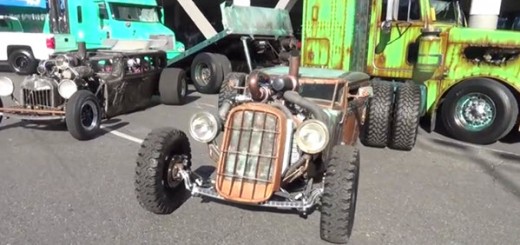
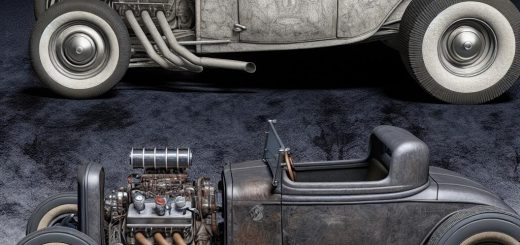
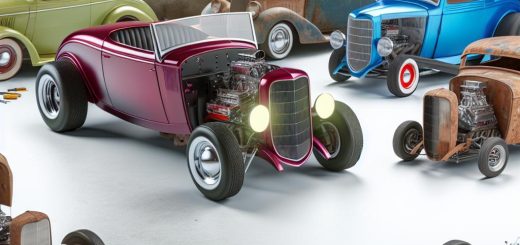
Typical characteristics of hot rods include altered bodies for aerodynamics, powerful engines, and flamboyant paint jobs. The focus was on performance improvements and aesthetic changes that pushed the boundaries of traditional design norms. This combination of form and function played a crucial role in the rad’s appeal. Builders often gutted interiors to minimize weight, achieving faster acceleration and higher top speeds. Hot rods are not only about outward appearance, as the raw power and mechanical innovation beneath their hoods are equally celebrated.
The Impact on Car Manufacturing
The popularity of hot rods had a cascading effect on automobile manufacturing. Major manufacturers began to incorporate performance-oriented features into their standard models. Companies recognized the demand for speed and style, leading to the production of muscle cars in the 1960s, which bore some inspiration from the hot rodding community.
This interplay between amateur customization and professional manufacturing demonstrated the profound influence of hot rods. Manufacturers realized the potential market for vehicles that appealed to a burgeoning generation eager for performance and individuality. Beyond muscle cars, this led to the application of hot rod principles in defining key characteristics of sports cars and other segments of the automobile industry as well, shaping both engineering and aesthetic standards.
Hot Rods and Popular Media
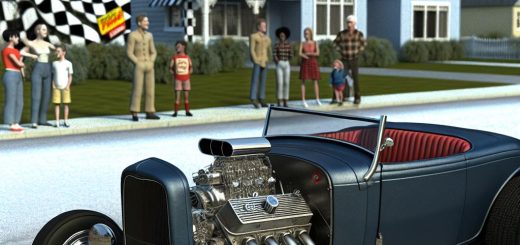
Hot rods became a cultural icon, prominently featured in movies, music, and television. Examples include the emergence of hot rods in films such as “American Graffiti” and their frequent appearances in rock-n-roll lyrics. These representations helped cement the image of hot rods as symbols of youthful rebellion and freedom.
In mass media, hot rods were portrayed not just as cars, but as an expression of individuality, rebellion, and nonconformity. This portrayal helped fuel public interest in hot rods, increasing their appeal across different demographics and age groups. Television programs and feature films spotlighted the glamour, excitement, and occasionally the danger associated with the fast-paced life of hot rod enthusiasts, which attracted newfound interest to the culture.
Hot Rod Culture and Its Community
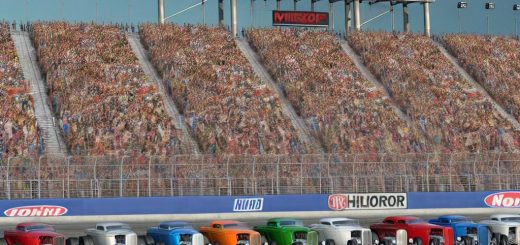
The community surrounding hot rods is as vital as the cars themselves. Clubs and events bring enthusiasts together, fostering an environment of sharing knowledge and promoting innovation. Events like car shows and drag races continue to be popular, supporting the maintenance and restoration of classic hot rods.
These gatherings are more than exhibitions of sleek cars and custom engines; they are a declaration of pride, skill, and communal bonding. Participants share stories, techniques, and advice, strengthening the cultural ties that bind the hot rod community. Generations of builders have passed on their traditions, ensuring the culture remains vibrant and evolutionary.
Preservation and Legacy
Efforts to preserve the history and legacy of hot rods are evident in museum exhibits and dedicated organizations. The National Hot Rod Association, for instance, is an entity that celebrates and preserves the history of drag racing and hot rod culture in the United States.
Museums dedicated to automobiles often feature classic hot rods, showcasing their historical significance and technological advances. These institutions provide educational resources, inspiring future generations of car enthusiasts and mechanics. By recognizing and celebrating the achievements within hot rod culture, such efforts preserve the creativity and aspirations that define this unique aspect of American heritage.
Conclusion
The lasting influence of hot rods on American car culture is undeniable. They symbolize a blend of mechanical ingenuity and artistic expression, reflecting broader themes of American identity. Despite changes in technology and design, hot rods continue to hold a special place in the hearts of car enthusiasts and play an influential role in the ongoing narrative of American automotive history.
Enthusiasts and historians who pursue knowledge about hot rods delve into a rich tapestry of tradition and transformation. This enduring phenom reflects essential themes in American society such as innovation, individuality, and the relentless pursuit of progress. For more information on the influence of hot rods, enthusiasts might explore sites dedicated to car culture, such as Hot Rod or similar platforms that offer resources and events for enthusiasts.