
Understanding What a Hot Rod Is
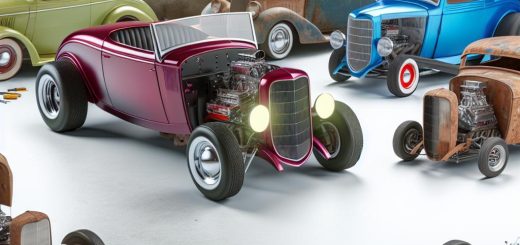
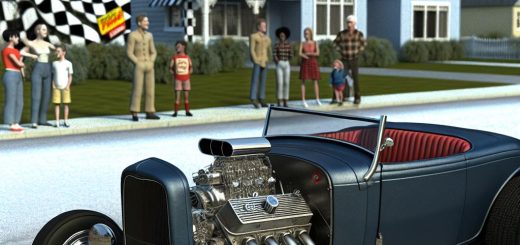
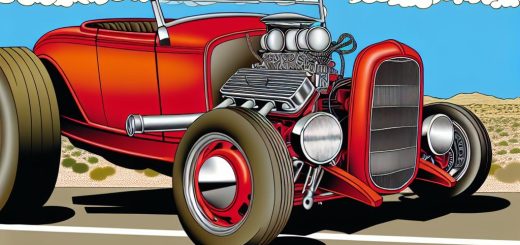
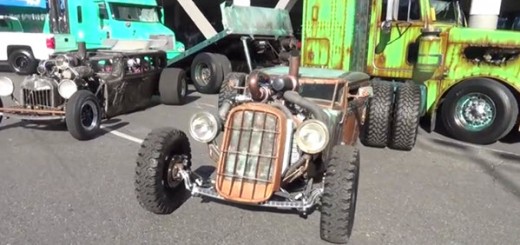
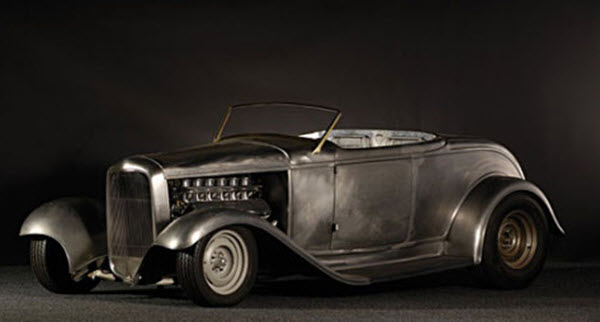
Building a hot rod involves transforming a classic car, typically from the 1920s to the late 1950s, into a high-performance vehicle. This process often includes several key modifications, such as altering the engine, suspension, and exterior of the car. The concept of hot rodding began in the United States and has since garnered a substantial and dedicated following over the years.
Selecting the Right Vehicle
Choosing the correct base vehicle is a fundamental step in the hot rod building process. Common choices often include early Ford models, particularly the 1932 Ford Coupe, renowned for its classic style and robust construction. When selecting your vehicle, key factors to consider include the availability of replacement parts, the overall cost of the vehicle, and its current condition. Starting with a car that has a sturdy frame and minimal rust can significantly reduce restoration efforts and associated expenses.
Deciding on the Powertrain
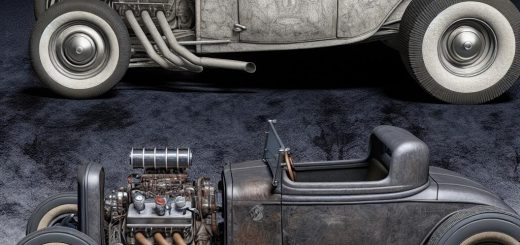
A major aspect of building a hot rod is selecting and installing an appropriate powertrain. The choice of engine will largely depend on your skill level and performance goals. One popular option among enthusiasts is the small block V8 engine due to its widespread availability and ease of modification. When choosing an engine, also consider the type of transmission you prefer, whether a manual system for more direct control or an automatic for ease of use.
Suspension and Brake Modifications
To enhance both performance and safety, suspension and brake modifications are often necessary. Upgrading to a modern suspension system can significantly improve the vehicle’s handling and ride comfort. In a similar vein, installing disc brakes is a common practice to ensure better stopping power, which is crucial as the horsepower increases. These modifications can have a profound impact on both the drivability and safety of the hot rod.
Body and Interior Customization
After completing the essential mechanical upgrades, attention often turns to customizing the body and interior of the vehicle. Body modifications could include altering the roof height, a process known as *chopping*, adjusting the vehicle’s stance with lowering kits, and giving the car an eye-catching paint job. Interior modifications may involve modernizing the cabin by installing new seats, gauges, and other contemporary amenities, all while striving to maintain the classic aesthetic that defines a hot rod.
Ensuring Compliance with Regulations
Before embarking on your hot rod build, it’s crucial to familiarize yourself with local vehicle modification laws to ensure compliance. These regulations can vary widely, and failure to comply could lead to fines or restrictions on your vehicle’s use. Modifications that often require special attention include changes to the exhaust system and lighting. Resources such as state automotive websites can often provide relevant guidelines and help ensure that your hot rod is road-legal.
Budgeting and Acquiring Parts
Building a hot rod can be a costly endeavor, so it’s essential to establish a realistic budget early in the process and adhere to it as closely as possible. Consider sourcing parts from a variety of places, including online platforms and local salvage yards. Some enthusiasts may prefer to fabricate custom parts themselves, which can be both cost-effective and a uniquely personal addition to the project.
Assembling the Hot Rod
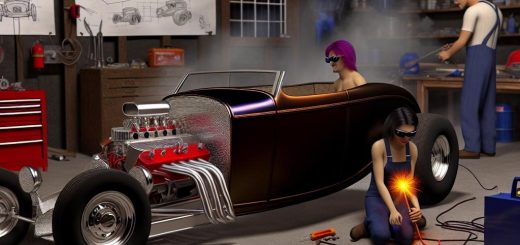
The actual assembly process involves various stages, beginning with disassembly of the donor car to make way for new components such as the engine and suspension systems. Careful planning and precision are key during the reassembly phase, where each component must be fitted securely and tested for functionality. Documentation and photographing each stage can help keep track of progress and ensure consistency with your overall plan. Regular checks during this phase are essential to make certain that each component is securely installed and functioning as intended.
Testing and Tuning
After the assembly of your hot rod is complete, rigorous testing is necessary to ensure all components are operating properly. This is a pivotal stage that typically involves troubleshoot sessions and the making of necessary adjustments and optimizations, particularly to the engine and suspension systems, so as to achieve optimal performance. Conducting thorough safety checks is paramount to ensure that the vehicle operates reliably and safely once out on the road.
For enthusiasts looking for more detailed guidance on specific aspects of hot rod building, consider accessing technical resources or joining online forums where experienced builders share their insights and experiences. Such communities can offer valuable support and advice, which can be particularly beneficial for those new to the hot rodding hobby. Click here for additional resources on car modifications, which could further assist in your hot rod building journey.