
Understanding Hot Rods and Rat Rods
The realm of custom cars is vast and varied, with hot rods and rat rods being two distinctive types that often attract enthusiasts. While they might share a common origin in the custom car culture, their approach to design, build, and aesthetic expression significantly differ. This exploration focuses on understanding these differences and appreciating the unique qualities that each type brings to the automotive world.
Origin and Evolution
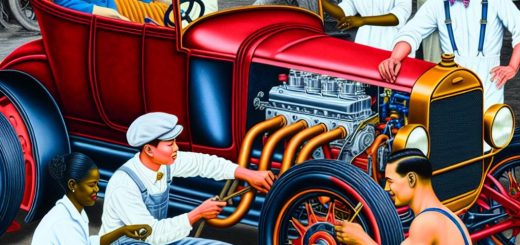
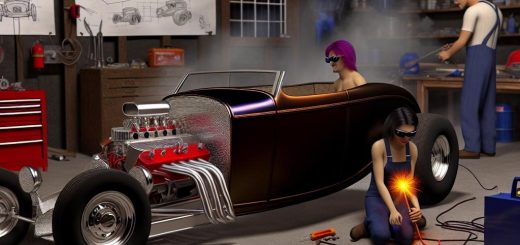
Hot rods have their roots deeply embedded in the post-World War II period when returning soldiers, along with car enthusiasts, initiated a movement to modify their vehicles primarily for enhanced speed and performance. This era marked the beginning of a culture that revolved around transforming stock cars into vehicles capable of impressive speed. Developing engine power, reducing weight, and crafting modifications that aligned with performance and style were key objectives for hot rod builders. Over time, hot rods came to symbolize vehicles with polished finishes and meticulously crafted parts. The craftsmanship and attention to detail in hot rods reflect a commitment to excellence that continues to inspire enthusiasts globally.
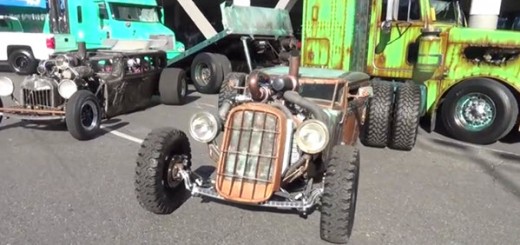
Rat rods, in contrast, represent a counterculture movement that emerged in response to the increasingly polished hot rod scene. As hot rods became more refined and less attainable due to rising costs and the commercialization of the car culture, a subset of enthusiasts opted to highlight a raw, unfinished aesthetic. The philosophy embraced by rat rod builders revolves around a do-it-yourself approach, prioritizing function over form without neglecting creativity. The distinct rough-and-ready look of rat rods stands in stark contrast to the polished appearance of hot rods. This aesthetic delivers a message–a blend of individuality and the refusal to conform to mainstream car culture.
Design Philosophy
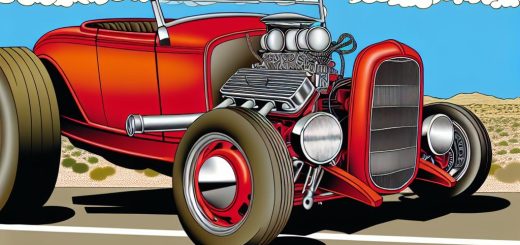
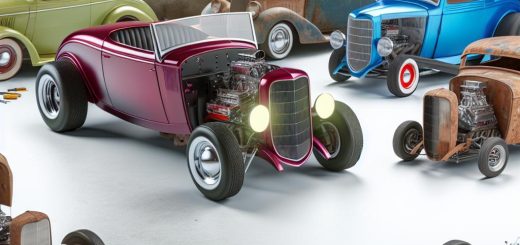
The design philosophy of a hot rod exudes the essence of sleekness and completion. Builders often aim to achieve both high performance and visual appeal, which involves significant alterations to both the car’s exterior and interior. High-quality materials are frequently utilized, reflecting the builder’s commitment to craftsmanship. Paint jobs are shiny and often bright, showcasing a blend of classic car elegance and modern vibrancy. Engines are transformed into masterpieces in their own right, demonstrating the dedication to detail and performance. Interiors are often reupholstered with premium materials, combining luxury with the nostalgia of classic car designs.
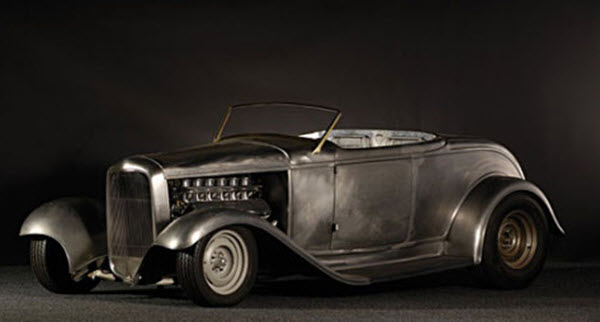
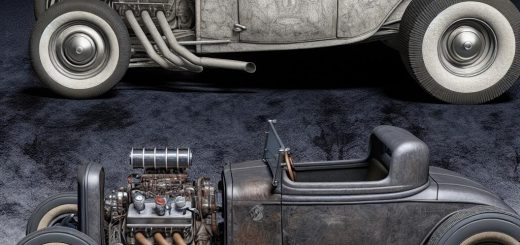
On the other hand, rat rod enthusiasts design their vehicles under a framework that emphasizes creativity and the builder’s distinct style. In rat rod creations, rust is not seen as an imperfection but as a badge of authenticity, resulting often in mismatched components and visible welds that highlight their handmade quality. The underlying design philosophy promotes a sense of history and rawness that vividly displays the journey of both the vehicle and builder. Parts from various types of vehicles might be amalgamated, and imperfections are celebrated rather than hidden. In this world, each imperfection becomes part of the narrative–a story of evolution, creativity, and individuality.
Performance and Functionality
Hot rod builders concentrate heavily on performance elements that result in fast and efficient machines. These cars are optimized through enhancements like high-output engines and aerodynamic body modifications. The pursuit of speed often involves reducing weight and integrating advanced components, with modern technology playing a significant role in achieving the desired power and efficiency levels. Hot rods are crafted to excel not just in looks but in speed, with many built specifically for racing or show purposes to showcase their formidable engineering prowess.
Contrastingly, rat rods do not strictly adhere to traditional benchmarks of performance. While some rat rods possess substantial speed, the overarching emphasis tends to be placed on delivering a distinctive and unique driving experience. Builders of rat rods focus more on creativity and less on sheer horsepower, leading to diverse engine choices and mechanical setups that are often unconventional. This focus allows for a range of expressions, where rat rods become moving canvases showcasing the owner’s ingenuity and personal vision rather than adhering strictly to traditional performance metrics.
Community and Events
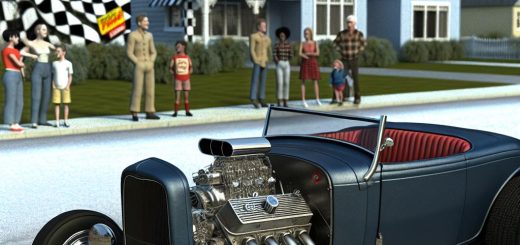
The vibrant communities surrounding hot rods and rat rods distinctly reflect their unique cultures. Hot rod enthusiasts are often involved in events and gatherings that celebrate classic car performance and aesthetics. These include car shows replete with polished vehicles, competitive drag races, and enthusiast exhibitions that highlight the beauty and speed of hot rods. For these enthusiasts, the allure lies in precision, performance, and polished presentation.
The rat rod community’s gatherings, however, embody a more relaxed approach, often championing authenticity and camaraderie over competition. Events for rat rod enthusiasts often take the form of unconventional car shows and meetups that focus on creativity and individual expression. They offer a platform where builders can present their innovative designs, fostering a community where sharing of ideas and techniques is encouraged. For rat rod aficionados, the value lies in the uniqueness and authenticity of each creation.
Conclusion
Hot rods and rat rods, though divergent in their approaches, both originate from the same root–a passion for automotive customization and expression. The polished precision of a hot rod contrasts with the bold creativity of a rat rod, yet each embodies a rich history and spirit within the broader car enthusiast culture. Whether a car lover is drawn to the meticulous craftsmanship of a hot rod or the rugged individualism of a rat rod, both styles offer unique experiences and represent significant facets of the automotive world. Understanding these vehicles involves appreciating the craftsmanship, creativity, and cultural differences that drive this multifaceted community.