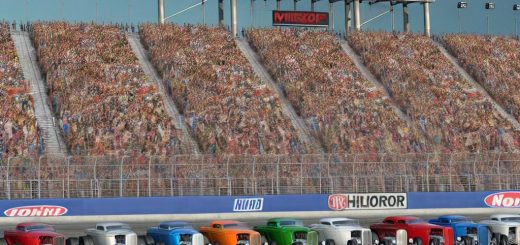

The NHRA and Its Impact on Hot Rod Culture
The National Hot Rod Association (NHRA) has played a pivotal role in shaping and promoting the culture of hot rods over the decades. Established in 1951, the NHRA was founded with the aim of promoting safety in drag racing while providing enthusiasts a formal platform to showcase and enhance their skills.
Establishing a Standard for Safety
One of the crucial contributions of the NHRA to the hot rod community is its emphasis on safety. The organization has pioneered and continually developed safety standards that are implemented at sanctioned events. This focus on safety has been vital not only in protecting participants but also in enhancing the sport’s reputation, making it more inviting and accessible to a broader audience.
The safety standards introduced by the NHRA were not just arbitrary rules but carefully considered guidelines meant to address the risks associated with high-speed racing. As drag racing involves high-velocity competition, it is imperative to safeguard the lives of both participants and spectators. Over the years, as the sport has evolved, the NHRA’s safety regulations have become more sophisticated, adapting to new technologies and challenges. These regulations now cover various aspects including vehicle construction, driver preparedness, and track conditions.
Development of Safety Equipment
Together with manufacturers, the NHRA has been instrumental in the development and testing of safety gear, ensuring that both vehicles and drivers are well protected. These efforts have resulted in innovations such as advanced restraint systems and protective clothing, which are now standard in various motorsport disciplines.
The role of NHRA in this development cannot be overstated. By setting stringent safety requirements, the association has prompted manufacturers to innovate and improve the technology used in safety equipment. Helmets, fire-resistant suits, roll cages, and seat belts are just a few examples of how NHRA’s regulations have driven improvements. For instance, the introduction of full-face helmets drastically improved the safety of drivers, reducing head injuries significantly.
Moreover, the NHRA holds regular inspections and certifications to guarantee that equipment meets high standards. These inspections ensure that any new advancements in safety technology are rapidly implemented, keeping the sport at the cutting edge of safety practices. As a result, the NHRA has nurtured a culture of constant vigilance and improvement concerning safety in the racing community.
Encouraging Competition and Innovation
The NHRA has been a strong catalyst for fostering innovation within the hot rod world. By creating competitive racing platforms, the organization encourages participants to pursue advancements in automotive engineering. This competition leads to more efficient and powerful vehicles and promotes technological advancements that often influence the wider automotive industry.
The NHRA’s structure enables and encourages engineers and mechanics to push the boundaries of what is possible in automotive performance. Races hosted by the NHRA serve as a real-world laboratory for testing new ideas and technologies. The desire to achieve greater speed or better efficiency leads to developments in engine technology, aerodynamics, and fuel management among others. Over the years, innovations that began on the drag strip have trickled down to commercially available vehicles, enhancing the consumer automotive experience.
NHRA-Sanctioned Events
NHRA features a range of events across various categories, from nitro fuel and pro stock to motorcycles and more. These events are not only competitive arenas but also gatherings where enthusiasts share knowledge and ingenuity.
The diversity of events under the NHRA banner allows for a wide array of engineering challenges. Each racing category demands different technical solutions, nurturing a vibrant ecosystem of ideas and innovations. For instance, tuning an engine for a nitro-fueled dragster requires different strategies compared to a pro stock car. This variety ensures that there is always room for new ideas and that teams must continually adapt to succeed.
Additionally, these events are significant for networking within the hot rod community. They provide opportunities for enthusiasts and professionals to exchange ideas, collaborate on projects, and learn from one another. Such engagements often lead to technological advancements and innovations being shared across teams and disciplines, further enriching the culture of hot rodding.
Community and Cultural Impact
Beyond the track, the NHRA has significantly contributed to the culture surrounding hot rods. By organizing community events and car shows, the association has helped to cultivate a sense of community among hot rod enthusiasts. These gatherings serve as a platform for individuals to appreciate the artistry and engineering involved in building hot rods, as well as to foster new connections based on shared interests.
The cultural aspect of the NHRA’s influence is seen in how it has nurtured and maintained a robust community of hot rod enthusiasts. Through various events, the NHRA enables enthusiasts to display not just their vehicles but also their passion and commitment to the craft. Car shows and community gatherings are more than just recreational events; they are celebrations of a shared heritage that reflect the history and evolution of hot rods.
These events also provide a space for seasoned builders to pass on their knowledge to younger generations, preserving the skills and culture associated with hot rods. The sense of community created by these events contributes to the enduring popularity of hot rodding by making it accessible and enjoyable for people of all ages and backgrounds.
The NHRA Youth Programs
The NHRA also invests in youth programs, aiming to inspire the next generation of racing enthusiasts and engineers. These initiatives include educational programs and junior drag racing events, encouraging younger individuals to engage with the sport safely and responsibly.
By actively involving young enthusiasts, the NHRA ensures the longevity and dynamism of hot rod culture. Junior drag racing events provide a safe and structured entry into the world of motorsports, allowing young drivers to gain skills and experience without the same level of risk present in higher-level competitions. Educational programs further promote interest and competence in relevant fields such as engineering and automotive design.
Such proactive engagement with youth not only develops future generations of racers and mechanics but also imbues participants with a sense of responsibility and respect for the sport. By emphasizing safety and engineering excellence from an early age, the NHRA fosters a new cohort of enthusiasts who are prepared to contribute to and expand upon the legacy of hot rod culture.
Overall, the National Hot Rod Association remains a cornerstone in promoting and supporting the culture of hot rods. Through its commitment to safety, competitive excellence, and community engagement, the NHRA ensures that the legacy and appeal of hot rods continue to thrive. Its roles as a standard-bearer for safety, a catalyst for innovation, and a nurturer of community spirit demonstrate its comprehensive impact on this vibrant aspect of automotive culture.