
The Emergence of the 1932 Ford “Deuce Coupe”
The 1932 Ford, affectionately known as the “Deuce Coupe” due to its Model 18 designation, holds a significant place in the history of American automobiles. This model was not merely a new vehicle; it was a transformative force in the automotive industry and the hot rod culture.
Innovative Engineering
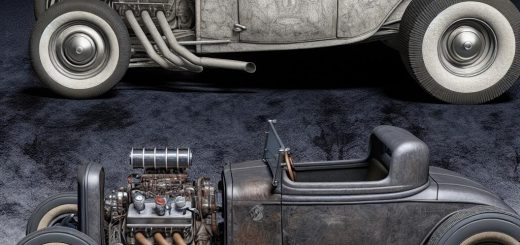
One of the most notable aspects of the 1932 Ford was its engineering innovation. At the heart of this vehicle was the introduction of the flathead V8 engine, which was a revolutionary development for its time. This engine marked the first instance of an affordable V8 on the market, providing significantly more power and a smoother driving experience compared to four-cylinder engines that dominated earlier models. The availability of the V8 engine at an accessible price point democratized power in automobiles, making it a desirable choice for many Americans during the Great Depression. This innovation allowed Ford to reach a wider segment of the population, as even those facing economic hardship could potentially afford a vehicle that offered power and reliability, qualities that were traditionally reserved for more expensive models.
The flathead V8 engine was impressive not only for its performance but also for its simplicity and reliability. Its design, which allowed for easy maintenance and straightforward construction, made it a favorite among mechanics and car enthusiasts. Owners could work on their vehicles with relative ease, ensuring that the Ford’s longevity extended well beyond initial purchase, a vital feature during the economic challenges of the 1930s.
Impact on Car Culture
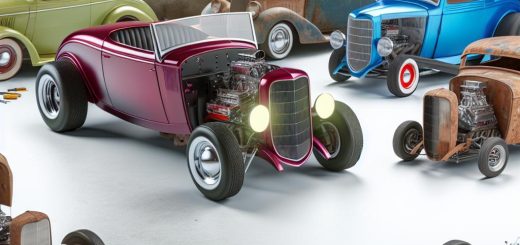
The “Deuce Coupe” became an essential part of early American car culture, particularly gaining popularity among young hot rod enthusiasts. Its relatively low cost, robust construction, and powerful engine made it an ideal candidate for modifications. Enthusiasts could easily customize the car to enhance speed and performance, fueling the burgeoning hot rod movement in the United States. The popularity of the 1932 Ford among these communities not only cemented its cultural legacy but also influenced automotive design and performance trends for decades.
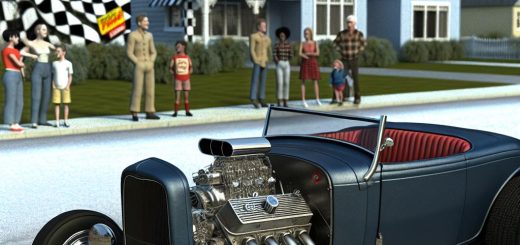
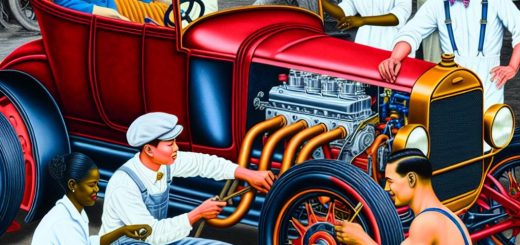
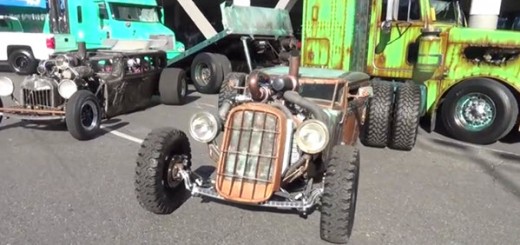
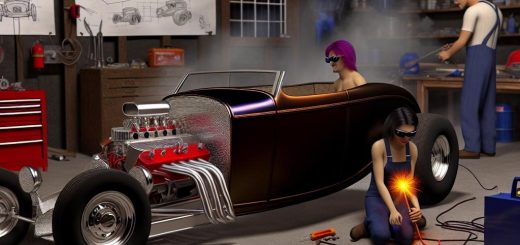
The hot rod movement allowed for individual expression and mechanical creativity. Many young car owners found joy in working on the “Deuce Coupe,” transforming it into a personalized statement of speed and style. This spirit of innovation and experimentation led to varying modifications, such as chopping, channeling, and swapping engines, practices which have now become fundamental in the world of car customization. This early car culture laid the foundation for present car shows and racing events dedicated to showcasing unique, modified vehicles.
Design and Aesthetics
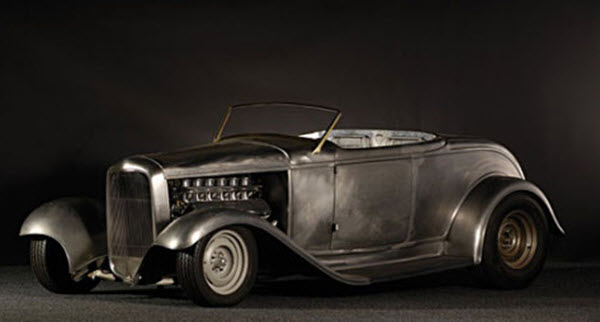
From a design perspective, the 1932 Ford stood out with its aesthetic appeal. The car featured a sleek and simplistic body design that has become iconic over the years. The construction of the car’s body, using a mix of steel and aluminum, achieved a balance of durability and a lightweight structure. This choice not only contributed to better performance but also provided an ideal canvas for customization, allowing owners to express individual style through modifications.
The vehicle’s aesthetics remained timeless due to its clean lines and coherent form, appealing to a broad audience, from teenagers to seasoned mechanics. With its vertical windshield, gently sloping hood, and unmistakable grille, the design was both functional and stylish. The importance of design in the Deuce Coupe’s success can’t be understated, as it mirrored the stylistic shifts in American culture transitioning into more modern sensibilities.
As car enthusiasts began to modify their Deuce Coupes, many included bright color schemes or thematic pinstriping, contributing further to its reputation as a symbol of American resilience and ingenuity. The ability to individualize a vehicle while maintaining its original essence was another reason the 1932 Ford remained in demand.
Legacy of the “Deuce Coupe”
The legacy of the 1932 Ford “Deuce Coupe” extends beyond its initial production years; it helped forge an everlasting bond between American culture and the automobile. The influence of this model can be noted in modern automotive design, where elements of its design and performance characteristics continue to resonate. The car’s impact is celebrated in various forms of media, including film and music, thereby securing its place as a cultural icon.
The 1932 Ford remains an aspirational symbol in American folklore, frequently featured in cultural references such as movies about the 1950s and 1960s car culture, and songs that evoke nostalgia, most famously captured in the lyrics of classic rock tunes. Even in contemporary times, car enthusiasts celebrate the Deuce Coupe at automotive shows, displays, and on the race circuits, preserving its legacy among new generations of car lovers.
For further insights on the historical significance of the 1932 Ford, exploring different resources and articles curated by dedicated automotive historians and enthusiasts through specialized automotive sites is recommended.
In conclusion, the 1932 Ford “Deuce Coupe” is more than just a car; it is a symbol of innovation, cultural transformation, and enduring legacy. Its contribution to automotive engineering and its dynamic role in shaping car culture exemplifies why it remains a cherished relic of automotive history. The Deuce Coupe’s story is a narrative of American resilience, representing a turning point in how vehicles were designed, customized, and revered in American society. Its enduring presence in the automotive world illustrates the influence a single model can have, both in the era of its inception and far beyond.