
The Best Cars for a Hot Rod Project
When embarking on a hot rod project, the initial choice of the base car is crucial. This decision not only influences the build outcome but also affects the project’s timeline and costs significantly. Choosing the right car becomes an essential task for any enthusiast looking to transform a classic vehicle into a powerful and stylish hot rod. Below, I delve into some of the best cars commonly chosen for hot rod projects, touching on their features and why they are preferred.
1932 Ford Model B
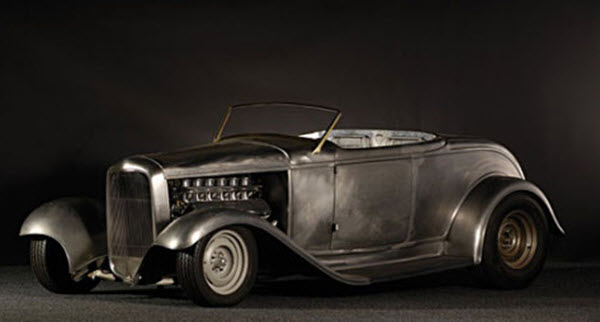
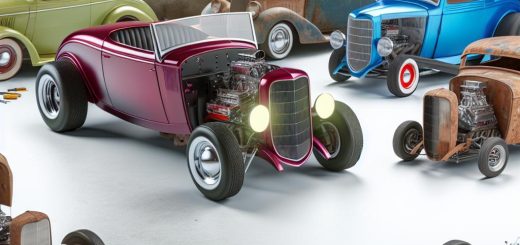
The 1932 Ford Model B stands out as a quintessential model in the hot rodding community. Known for its classic lines and ease of modification, this car presents an ideal foundation for builders eager to make their mark. The simplicity of the 1932 Ford Model B allows for extensive customization, both in terms of performance and aesthetics. This vehicle’s legendary status in automotive history adds unparalleled uniqueness to any project based on it. The historical significance attached to this car means there’s a vast community of enthusiasts and collectors interested in its preservation and glamour. Moreover, the availability of parts for the 1932 Model B is extensive, thanks to a robust aftermarket industry that caters specifically to this iconic model.
Builders favor the Model B due to its versatility and the expansive range of design possibilities it offers. Whether you aim to enhance its performance for speed or simply wish to restore its vintage charm, the Ford Model B offers a canvas upon which any vision can be realized.
Chevrolet Bel Air (Mid-1950s)
Another popular candidate among hot rod enthusiasts is the Chevrolet Bel Air from the mid-1950s. This car is renowned for its distinctive style and robust chassis, which combine nostalgic flair with high-performance potential. The sturdy framework of the Bel Air makes it a fitting candidate for significant engine upgrades, none of which compromise its structural integrity – an attribute essential to any hot rod build aiming for durability and speed.
One of the defining characteristics of the Chevrolet Bel Air is its spacious engine bay, which can easily accommodate larger powerhouses such as big block V8 engines. This natural accommodation has made the Bel Air a favorite among those who wish to ensure their cars boast powerful engines under the hood. Additionally, the timeless aesthetic appeal of the Bel Air ensures that, cosmetically, the car stands out—making it equally a head-turner and a formidable performer.
Owners and builders frequently capitalize on the Bel Air’s classic design, incorporating modern amenities and performance improvements that create a seamless blend of style and substance. From sleek finishes to high-tech engine components, every modification made to the Bel Air tends to augment both its visual appeal and road capabilities.
Pontiac GTO (1964–1974)
The Pontiac GTO is often heralded as one of the original muscle cars, ushering in a new era of raw performance and style to the hot rod scene. This car is characterized by its powerful engine options and durable build, which provide a formidable starting point for anyone aiming to create a high-performance hot rod.
When selecting a Pontiac GTO for a hot rod project, one should consider the car’s engine capacity and any existing upgrades, as these vehicles often come pre-modified. This pre-modification can offer enthusiasts a valuable head start in their customization efforts. The GTO’s reputation for performance excellence positions it as a preferred choice for those who wish to capture the essence of American muscle in their builds.
The GTO’s legacy goes beyond mere performance, as its iconic design continues to embody the ideal blend of power and elegance. Offering a robust platform for modifications, the GTO allows builders to explore a wide array of possibilities, from enhancing speed capabilities to upgrading interior features for a more modern driving experience.
Chevrolet Camaro (1967–1969)
For those with a passion for the late 1960s automobile era, the Chevrolet Camaro presents an enticing choice. This vehicle, with its iconic design and adaptable modification options, stands as a favored base for hot rod projects. Notably, the Z/28 and SS models of the Camaro are particularly sought after due to their high-performance engines and enhanced suspension systems.
The Camaro’s inherently sporty design appeals to enthusiasts who prioritize both speed and aesthetic appeal in their hot rod builds. Although many associate the Camaro with racing and performance, it also provides a functional platform for a diverse range of customizations. By harnessing the inherent capabilities of the Camaro, including its advanced suspension systems, builders can create hot rods that not only perform remarkably well but also offer superior handling and driving dynamics.
The versatility of the Camaro ensures that it remains a stalwart in the realm of vehicle modification, appealing to a broad audience of hot rod builders who appreciate the car’s adept mix of power and style.
Ford Mustang (1964–1970)
The classic Ford Mustang, particularly models from 1964 to 1970, stands as another strong contender for hot rod projects. Known for its lightweight body and sporty demeanor, the Mustang offers a nimble chassis along with a multitude of powertrain options.
The market is abundant with aftermarket parts for Mustangs, guaranteeing that the possibilities for customization are nearly endless. Of all its features, the Mustang’s weight is one of its biggest strengths, significantly enhancing its agility and making it particularly suitable for performance improvements. Many builders enjoy working with the Mustang because its potential seems almost limitless—with both aesthetic and performance modifications easily achievable.
From turbochargers to suspension upgrades, the spectrum of enhancements available for a Mustang owner is varied, allowing for complete personalization. For comprehensive parts and accessories, you might consider checking dedicated suppliers, as they provide everything necessary to transform a Mustang into a dream machine tailored to one’s personal preferences.
Conclusion
Choosing the right car for a hot rod project necessitates careful consideration of several factors, such as ease of modification, part availability, and personal style preferences—factors that ultimately guide the determination of an ideal model. The vehicles mentioned above represent merely a fraction of the potential options available to hot rod enthusiasts. Despite the plethora of choices, these models have earned acclaim for their exceptional suitability as hot rods, either due to their robust frameworks or the sheer magnitude of creative possibilities they offer.
In essence, regardless of the vehicle of choice, launching a hot rod project promises a deeply rewarding adventure. The process entails creative expression, technical craftsmanship, and a unique opportunity to breathe new life into a classic car, ensuring its legacy for future generations to cherish and enjoy.