
Contents
The Emergence of the 1932 Ford “Deuce Coupe”
The 1932 Ford Coupe, commonly referred to as the “Deuce Coupe” due to the numeral “two” in its model year, holds an exceptional place in the annals of automotive history. It was not merely a mode of transportation but an emblem of a significant cultural movement and a beacon of revolutionary engineering for its time.
Engineering Advancements
The 1932 Ford Coupe made headlines with its pioneering introduction of the Flathead V8 engine. This engineering marvel marked a turning point as the Ford Coupe became the first mainstream automobile to feature a V8 engine. The substantial aspect of this innovation was its accessibility—offered at a price that remained within the range of the average consumer. In an era where engine performance was steadily gaining importance, the V8 engine set a new standard. It not only enhanced the car’s performance capabilities but also signified a shift in consumer expectations for automobile power and capability.
The Flathead V8’s design emphasized simplicity and reliability, characteristics that garnered it widespread acclaim among car enthusiasts and mechanics alike. Its straightforward configuration made it a preferred choice for those interested in car modifications, thereby playing a pivotal role in the burgeoning hot rodding culture. It set the stage for the customized automotive scene, still vibrant today, underscoring the car’s lasting influence on automotive trends.
Cultural Impact and Hot Rodding
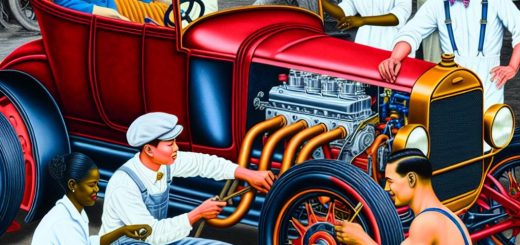
The Deuce Coupe swiftly gained stature as an icon within the hot rod movement that surged during the mid-20th century. Returning veterans from World War II found themselves seeking new outlets for creativity and self-expression. The affordable and readily available 1932 Ford Coupes provided an ideal platform for such explorations into car customization. This pioneering spirit marked the beginning of a distinct car culture centered around individuality and performance enhancements.
The cultural footprint of the Deuce Coupe was further solidified through its depiction in various media forms. Songs like “Little Deuce Coupe” by the Beach Boys celebrated its distinctive allure, capturing the imagination of a generation. Moreover, cinematic portrayals in films such as “American Graffiti” immortalized the coupe as a symbol of youthful rebellion and the quest for freedom, reinforcing its status as a cultural icon.
Design and Construction
The design and construction of the 1932 Ford Coupe were noteworthy for their innovation and aesthetic qualities. The 1932 model prominently featured an all-steel body—a remarkable advancement that contributed to the car’s durability and aesthetic appeal. Such construction was pivotal, providing long-lasting resilience and presenting a sleek exterior that appealed to a wide audience.
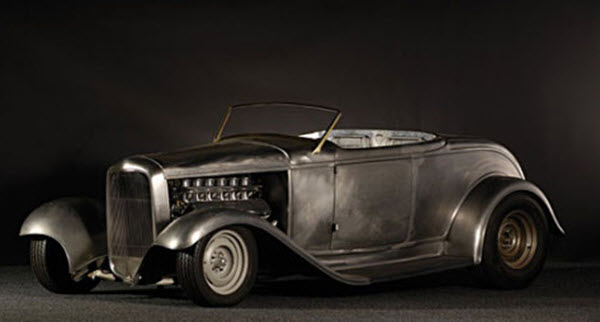
The 1932 Ford Coupe’s design offered an ideal canvas for customization, attracting car enthusiasts who sought both performance and aesthetic improvements. Everything from the chassis to its exterior could be modified, enabling a blend of imagination and technical prowess. Its unique styling, with a rounded body and smoothed fenders, established it as an enduring classic among car enthusiasts, encapsulating the allure of vintage automotive design.
Legacy and Modern Day Relevance
Despite the passage of decades since its production, the Deuce Coupe’s influence within car culture remains palpable. It is highly coveted by collectors and restorers, and its elements continue to inspire modern automotive design and customization practices. It established foundational principles for today’s performance-oriented vehicles.
As car enthusiasts continue to cherish the Deuce Coupe, they do so not only for its engineering prowess and historical significance but also for the cultural legacy it helped invent. It played a groundbreaking role in evolving the automobile, especially in the customization sector, thus asserting its place as a cornerstone of automotive history. Its influence is felt whenever a car enthusiast undertakes a new project, engages in modifications, or simply appreciates the blend of artistry and engineering that the Deuce Coupe so effortlessly represents.
Conclusion
In conclusion, the 1932 Ford “Deuce Coupe” is far more than just a vehicle; it is a historical artifact representing significant engineering advancements and cultural shifts. From its pioneering Flathead V8 engine to its embodiment of the hot rod movement, the Deuce Coupe symbolizes an era of innovation, individuality, and transformation. Its enduring legacy in car culture underscores its historical importance, serving as an inspiration for generations of automotive enthusiasts. The car’s journey through history reflects the broader innovations in the automotive industry and the unique role that vehicles play in cultural expression. As a beacon of automotive evolution, the Deuce Coupe’s story continues to inspire and captivate audiences worldwide, affirming its status as a true icon of the automotive world.