
Contents
The 1932 Ford “Deuce Coupe”: A Revolutionary Icon in Automotive History
The 1932 Ford, popularly known as the “Deuce Coupe,” occupies a pivotal place in the annals of automotive history due to its groundbreaking design and profound influence on car culture. As one of the most iconic models produced by the Ford Motor Company, the Deuce Coupe not only revolutionized the landscape of car manufacturing but also laid the groundwork for the modern hot rodding phenomenon.
The Introduction of the Flathead V8 Engine
At the core of the 1932 Ford’s allure is its Flathead V8 engine. When it was unveiled, this engine symbolized a paradigm shift in the automotive industry as it was the first time a V8 engine was offered as a cost-effective option in a mass-produced vehicle. With its capacity to deliver remarkable power and performance, the Flathead V8 quickly became synonymous with the Ford marque. Its affordability made high-speed performance accessible to a broader audience, democratizing power like never before. This engine spurred a new wave of car enthusiasts eager to optimize their vehicles for increased speed and customized appearance, setting the stage for future generations of performance-oriented automobiles.
Design Innovations and Aesthetic Appeal
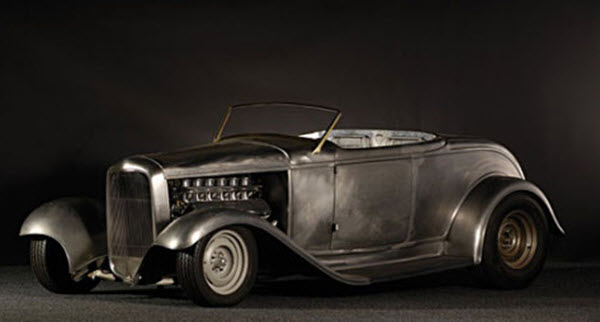
The 1932 Ford marked a stylistic evolution from its predecessors, showcasing a more streamlined and visually appealing body. Its low-slung design, characterized by flowing lines and an available open-top variant, greatly contributed to its market appeal. The vehicle’s aesthetic allure transcended its practical use as a production model; it became a favored canvas for further personalization. This led to significant influence on the nascent hot rod culture, where car enthusiasts would modify existing vehicles to reflect their distinct styles and performance preferences.
Influence on Hot Rodding Culture
The contribution of the Deuce Coupe to the rise of hot rodding in the United States cannot be overstated. Its robust chassis was an ideal foundation for creative modifications, attracting car customizers looking to tailor vehicles to their personal tastes. Additionally, the affordability of the 1932 Ford made it accessible to a diverse group of enthusiasts, catalyzing the burgeoning hot rodding movement. Car customizers transformed the Ford Coupe into unique masterpieces, fostering trends that would come to define the hot rodding scene. As such, the 1932 Ford became a versatile blank canvas, a medium for enthusiasts to express their creativity and individualism through automotive art.
Representation in Popular Media
The 1932 Ford’s reach extended well beyond just automotive circles, leaving a lasting impression on popular media. Its status as a cultural staple was further immortalized in film and music, most notably through its appearances in the “American Graffiti” movie and “Little Deuce Coupe” by The Beach Boys. These cultural productions amplified its significance and introduced the Deuce Coupe to newer audiences, celebrating it as an emblem of classic design and the aspirational freedom it represented.
Legacy and Collectability
In contemporary times, the 1932 Ford “Deuce Coupe” enjoys veneration from collectors and automotive aficionados alike. Both restored models and original editions are highly coveted, often commanding impressive prices in auction circles. This enduring allure is a homage to the vehicle’s timeless design and the sense of nostalgia it evokes among car aficionados. The Deuce Coupe stands as a resolute emblem of the ingenuity and fervor that continues to propel the automotive industry forward.
For an in-depth understanding of the history and the restoration processes concerning this classic automobile, enthusiasts can explore resources such as the [Early Ford V8 Foundation Museum](https://www.fordv8foundation.org). This institution offers an extensive exploration of Ford’s iconic vehicle and the broader impact of the 1932 model on automotive culture.
In closing, the 1932 Ford “Deuce Coupe” transcends the role of a mere collectible vehicle; it epitomizes innovation, creativity, and cultural significance. Its introduction signaled a transformative era in automotive history, and its continued influence is a testament to its enduring presence in car culture.
The Broader Influence of Ford’s Pioneering Design
The introduction of the 1932 Ford reflected more than just an advancement in car technology and design; it also encapsulated a period of social change and economic evolution. During a time of economic upheaval brought about by the Great Depression, the introduction of an affordable performance vehicle injected a sense of possibility within the American populace. It embodied a spirit of innovation and resilience, qualities that resonated deeply during such challenging times.
Beyond economic constraints, the 1932 Ford facilitated a shift in cultural norms. Cars became more than just a means of transportation; they evolved into personal expressions of identity and status. This transformation highlighted the evolving relationship between individuals and their vehicles. The Deuce Coupe became a vehicle of dreams, innovation, and a badge of individuality.
Technological Advancements: Shaping the Future
Technologically, the advent of the Flathead V8 wasn’t just about providing more power; it signified a shift towards engineering excellence and performance optimization. By setting a new standard for mass-produced vehicles, Ford encouraged others in the industry to pursue advancements that prioritized both the mechanic and the driver. The acknowledgment that a car could be both robust and affordable was key to influencing industry standards and consumer expectations. This foundation would spur decades of technological advancements as manufacturers constantly sought to balance power, efficiency, and cost.
The 1932 Ford in Retrospective Analysis
Reflecting on the 1932 Ford “Deuce Coupe” allows us to appreciate its multifaceted impact on automotive history and culture. Its introduction didn’t just signal a leap in technological prowess; it initiated cultural shifts reflected in the way we view cars and their place in our lives. This historical vehicle is an important reminder of how innovation can intersect with culture, ultimately reshaping industries and lifestyles.
As we assess the Deuce Coupe’s legacy, it is evident that its significance extends beyond the realm of collectors and enthusiasts. It’s about understanding the broader narrative of progress, style, and personal expression. Such an understanding is invaluable for those studying the evolution of the automotive industry and the cultural dynamics that continue to shape it. The 1932 Ford “Deuce Coupe” remains an indelible part of this narrative—a testament to the courage of innovation and the enduring human spirit driving forward.