
Contents
The 1940s: The Birth of Hot Rodding
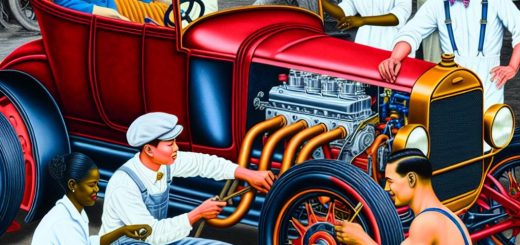
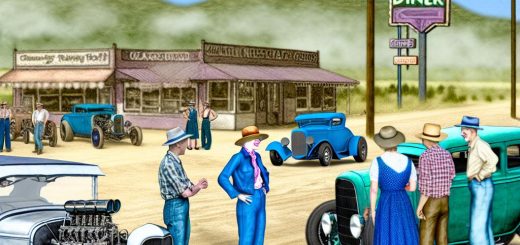
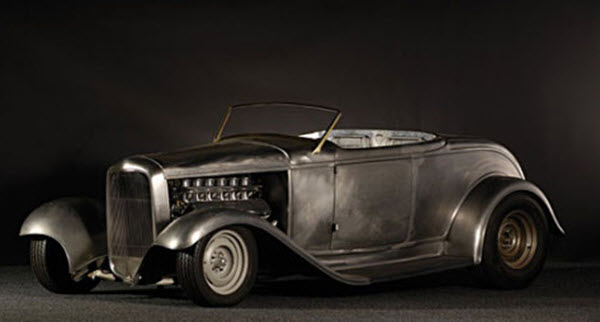
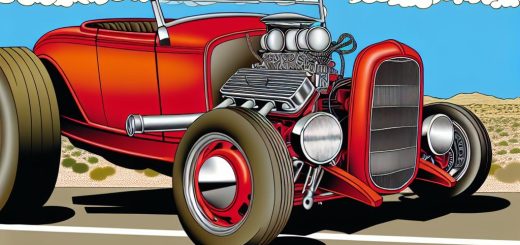
The inception of hot rodding is an intricate story that reflects the spirit of innovation and adventure intrinsic to American culture. Although its roots can be traced back to the late 1930s, it truly began to flourish in the 1940s. This era marked the dawn of a new automotive movement originating from Southern California—a cradle for car culture. Young automobile enthusiasts, driven by a passion for speed and performance, set the stage by modifying pre-World War II cars to break the constraints of conventional capabilities. Their efforts laid the foundation for a burgeoning culture that would revolutionize the automotive industry. During this time, vehicles from the 1920s and 1930s, particularly **the 1932 Ford Roadster**, became the canvas for these trailblazers who sought to enhance speed and performance.
Fords from these decades appeared frequently in hot rodding circles due to their lightweight design and the easy availability of aftermarket parts—a crucial aspect for those wanting significant performance upgrades without extensive effort or expense. This accessibility encouraged widespread experimentation with car mechanics, propelling an entire generation towards inventiveness and self-expression through engineering.
Engine Modifications and Design Influences
In the nascent stages of hot rodding, the focal point was driving enhancements in engine performance. Upgrades like boring out cylinders and introducing high-compression pistons were typical examples of the modifications undertaken. These changes were primarily directed at increasing horsepower and maximizing top speeds. External designs of the hot rods during this initial phase were generally understated, concentrating on function over form. However, the simplicity of this approach allowed enthusiasts to channel their energy into refining the core mechanical elements, preparing the groundwork for the growing emphasis on speed and performance that became synonymous with the hot rod culture.
The blueprint that defined this era was largely pragmatic, prioritizing powerful engines and simplified aesthetics—a precedent that influenced all subsequent developments within the hot rod community.
The 1950s: Technological Advancements and Aesthetic Changes
Transitioning into the 1950s, the hot rodding scene underwent a transformative phase, driven by advances in post-war technology that fueled both mechanical and aesthetic evolution. The introduction of aircraft parts and other sophisticated technologies made significant impacts, shaping a new era of car modifications. The small-block V8 engine, becoming a staple during this period, epitomized the advancement in hot rod engineering. This innovative engine design offered greater power outputs while maintaining a compact size, aligning perfectly with the hot rodder’s objective of achieving high-speed performance.
Styling and Cultural Impact
A notable shift during the 1950s was the integration of style into the mechanical enhancements. The cars morphed beyond mere speed machines into external expressions of personal identity and rebellion. This was reflected in vibrant paint jobs, chrome finishes, and other decorative details that adorned these machines. By embracing stylistic individuality, the hot rod community expanded its appeal, capturing the imagination of a broader audience and evolving into a symbol of the era’s youth culture and rebellious spirit.
Within this framework of personal expression, hot rods transcended from practical vehicles to cultural artifacts, representing an intersection of technology and art.
The 1960s and 1970s: Hot Rodding Goes Mainstream
In the 1960s and 1970s, hot rodding emerged from its underground origins to find a place within mainstream global automotive culture. The rise of **muscle cars** during this time was instrumental, as these vehicles shared the fundamental characteristics of hot rods: high performance, strong engines, and a flair for design. Muscle cars like the Ford Mustang and Chevrolet Camaro embodied the spirit of hot rodding, offering power and performance to the average automobile owner while fueling the public’s fascination with speed.
Customization and Show Cars
The art of customization hit new heights. Makers strove beyond enhancing mere mechanical prowess, developing show-quality cars designed to captivate audiences and win competitions. This era saw an explosion in creativity, where advanced techniques in paintwork, upholstery, and design poise transformed hot rods into rolling pieces of art. Each vehicle was a unique representation of the owner’s imagination, merging functionality with aesthetic brilliance—a trend that continues to inspire modern hot rodding.
The 1980s and 1990s: Preservation and Innovation
As hot rodding matured through the 1980s and 1990s, there was a significant turn towards not only innovation but also preservation. By this time, classic hot rods from earlier decades had become rare treasures, and there was a concerted effort to restore and preserve these icons of automotive history. Enthusiasts sought to maintain the integrity and authenticity of emblematic hot rods while also experimenting with contemporary technologies to enhance their performance.
The Role of Technology
Technological advancements provided enthusiasts with new avenues for experimentation. Innovations such as computer-controlled fuel systems and advanced suspension elements were adopted into the realm of hot rodding. These developments offered a delicate balance between maintaining the traditional hot rod design ethos and embracing the reliability and performance facilitated by modern technology. This integration of old and new created a dialogue within the community, encouraging a balance between preservation and innovation.
Modern Hot Rodding: Nostalgia Meets Future
In contemporary times, hot rodding embodies a unique blend of nostalgia and forward-thinking innovation. While many enthusiasts remain dedicated to restoring and maintaining vintage vehicles, there is also an exciting movement towards integrating modern technologies. Electric powertrains and advanced lightweight materials are slowly finding their place within hot rod construction, illustrating a step forward in sustainable automotive practices without relinquishing the essence of the traditional hot rod.
Looking Forward
The future of hot rodding represents a fascinating interplay between the cherished traditions of the past and the technological advances of the future. As this hybrid culture develops, the hot rod community will likely continue adapting, exploring sustainable technologies while preserving the soulful artistry and historical significance of these unique vehicles. The journey of hot rodding remains a dynamic and evolving chapter within the broader narrative of automotive history, continuously finding new paths to expand its cultural relevance and technological potential.